
The Impact of Climate on Repair Timing and Effectiveness
Weather conditions play a crucial role in the effectiveness and longevity of concrete driveway repairs. Understanding these impacts can help you make informed decisions about when and how to tackle maintenance tasks. Whether dealing with extreme cold, intense heat, or heavy rainfall, each weather condition presents unique challenges for maintaining your concrete surfaces. By recognizing these factors, you can better plan your repair activities to ensure long-lasting results.
Effects of Temperature Extremes
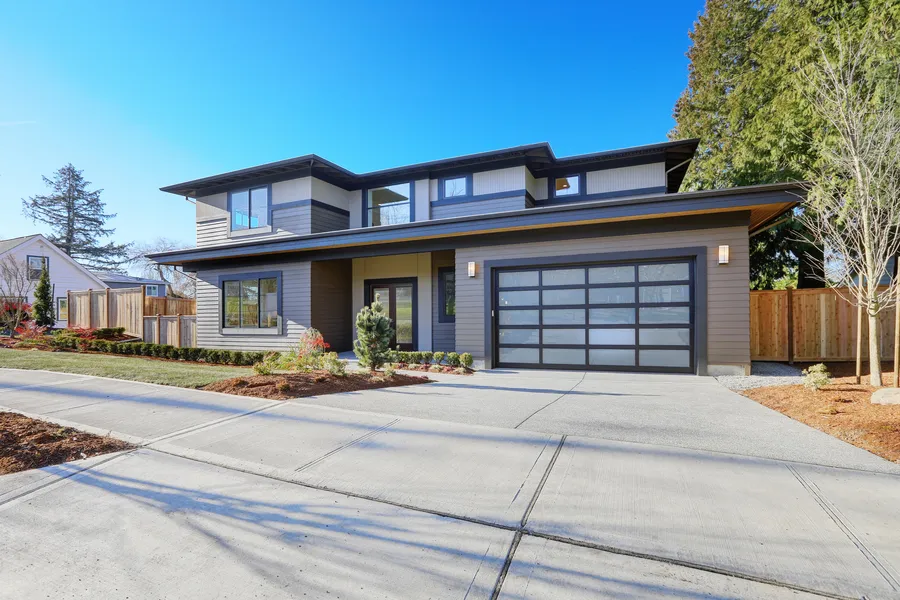
Temperature extremes can greatly affect the process of concrete driveway repair. Cold weather causes the material to take longer to cure, while hot temperatures can lead to rapid drying. Both scenarios can result in compromised strength and durability. For optimal results, aim to perform repairs when temperatures are moderate. This ensures that the concrete cures properly, providing a sturdy and resilient surface.
Influence of Rainfall on Repair Work
Rainfall is another critical factor influencing concrete driveway repair. Heavy rains can wash away materials or prevent proper curing. During periods of frequent rain, it’s best to postpone repairs until dry weather returns. If unexpected rain occurs during the repair process, cover the area with waterproof tarps to protect against moisture intrusion.
Humidity Levels and Their Impact
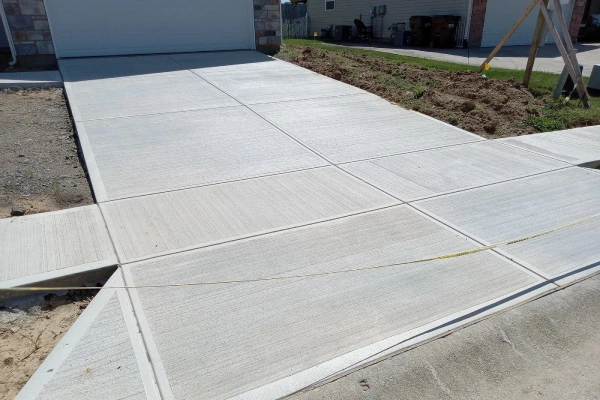
High humidity levels slow down the evaporation rate of water within the concrete mix, affecting the curing process. When humidity is high, it can lead to prolonged setting times and possible weakening of the final product. It’s essential to monitor humidity levels before proceeding with any concrete work. Choosing days with lower humidity ensures faster curing and a more robust finish.
Adapting Repairs for Seasonal Changes
Different seasons bring varying conditions that impact how we approach driveway maintenance. In winter, freeze-thaw cycles cause cracks due to expanding ice within the concrete. Meanwhile, summer’s heat may cause expansion and contraction issues. Being aware of seasonal effects allows homeowners to adjust their maintenance schedules accordingly, focusing on prevention during peak seasons of stress.
Practical Tips for Weather-Related Challenges
- Select mild weather days for major repairs
- Use plastic coverings during unexpected rainfall
- Avoid starting repairs in extreme heat or cold
- Monitor local weather forecasts closely
- Adjust your plans according to seasonal demands
Cost Implications Based on Weather Conditions
The cost of repairs can fluctuate based on prevailing weather conditions. Working under adverse conditions often requires additional materials or specialized equipment, increasing overall expenses. Additionally, repeated repairs due to poor timing add up over time. Planning and executing projects in favorable weather minimizes costs and prevents unnecessary financial strain.
Ensuring Long-Term Results Through Strategic Planning
Successfully navigating weather-related challenges involves strategic planning tailored to local climate patterns. Take proactive measures like scheduling routine inspections and addressing minor issues before they escalate into larger problems. By understanding how different weather elements affect concrete driveways, you can create a comprehensive maintenance plan ensuring prolonged pavement life.
Your Go-To Partner for Reliable Maintenance Solutions
When it comes to managing concrete surfaces effectively, our team at Burgos Landscape and Concrete LLC is here to assist you every step of the way. Located in Chester, VA, we understand the unique challenges posed by local climate conditions. Give us a call at (804) 392-4930 today to learn more about how we can support your specific needs and provide reliable solutions tailored just for you.